Exploring Balanced Nutrition and Holistic Well-being
Discover comprehensive educational information about nutrition, dietary science, and healthy lifestyle principles. Our resource is dedicated to providing clear, evidence-based insights into nutrition and general wellness without commercial intent or medical advice.
Understanding Macronutrients
Macronutrients are the fundamental building blocks of nutrition, comprising proteins, carbohydrates, and fats. Each plays distinct roles in supporting bodily functions and providing energy for daily activities.
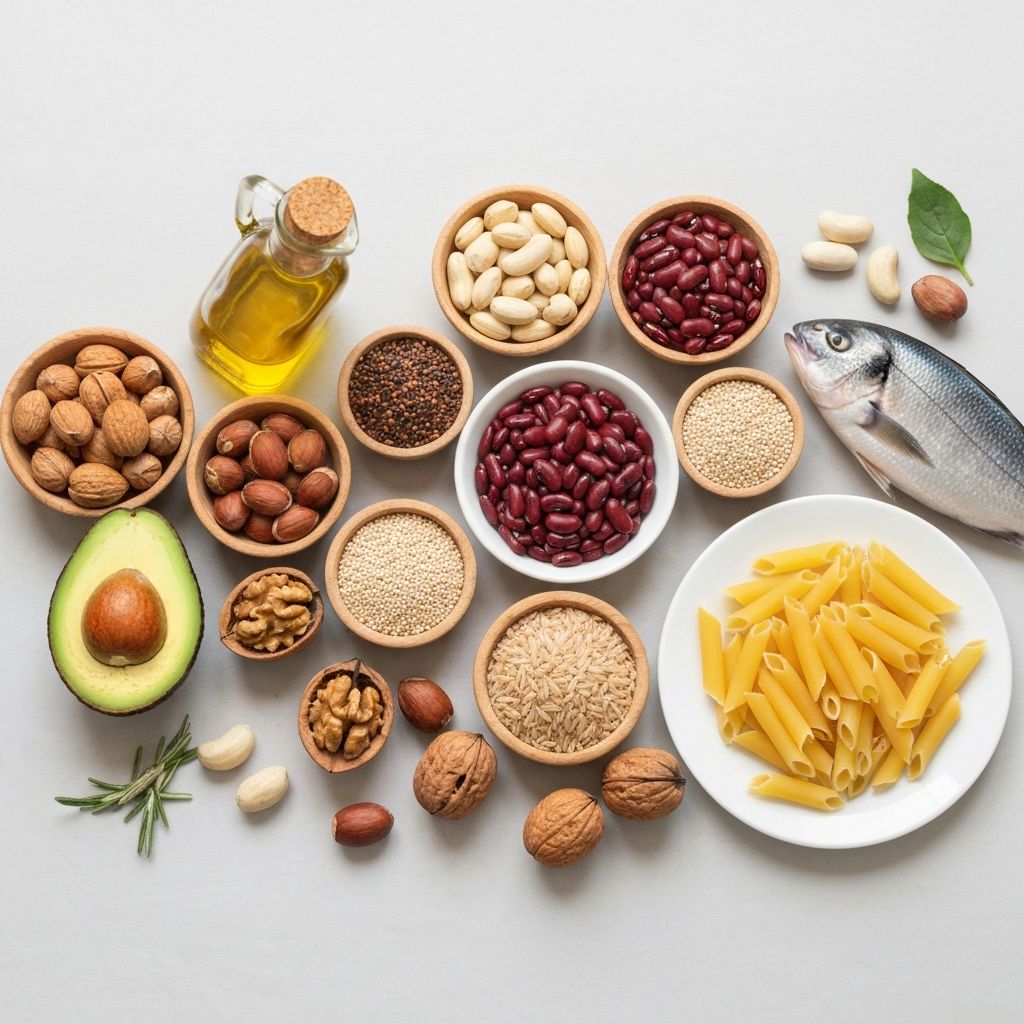
Proteins are composed of amino acids and serve as essential components for muscle structure, enzyme production, and various regulatory functions in the body. Protein sources include legumes, nuts, seeds, fish, poultry, and dairy products.
Carbohydrates are the body's primary energy source, categorized into simple and complex forms. Complex carbohydrates, found in whole grains, vegetables, and legumes, provide sustained energy and valuable dietary fiber. Simple carbohydrates include fruits and natural sugars.
Fats are essential for hormone production, vitamin absorption, and cell structure. Healthy fat sources include avocados, nuts, seeds, olive oil, and fatty fish rich in omega-3 fatty acids.
Understanding the role of each macronutrient helps in appreciating how a balanced approach to eating supports overall vitality and well-being.
Essential Micronutrients
While needed in smaller quantities than macronutrients, vitamins and minerals are crucial for maintaining health and supporting various physiological processes. Here is a comprehensive overview of key micronutrients and their dietary sources:
| Micronutrient | Dietary Sources | General Functions |
|---|---|---|
| Vitamin A | Carrots, sweet potatoes, spinach, kale, apricots | Vision support, immune function, skin health |
| Vitamin C | Citrus fruits, berries, peppers, broccoli, tomatoes | Collagen formation, antioxidant support, immune function |
| Vitamin D | Fatty fish, egg yolks, mushrooms, fortified dairy | Calcium absorption, bone health, immune regulation |
| Vitamin E | Nuts, seeds, vegetable oils, leafy greens | Antioxidant protection, cell membrane support |
| Calcium | Dairy products, leafy greens, almonds, sesame seeds | Bone structure, muscle function, nerve transmission |
| Iron | Red meat, legumes, spinach, fortified cereals | Oxygen transport, energy production, cognitive function |
| Magnesium | Seeds, nuts, whole grains, leafy greens, legumes | Muscle relaxation, energy production, bone health |
| Zinc | Oysters, beef, chickpeas, cashews, pumpkin seeds | Immune function, protein synthesis, wound healing |
Hydration & Overall Wellness
Water is fundamental to human health and participates in nearly every physiological process. Adequate hydration supports digestion, nutrient absorption, temperature regulation, and cognitive function.
The common recommendation is to consume adequate water throughout the day, though individual needs vary based on activity level, climate, and overall health status. Beyond plain water, hydrating foods such as watermelon, cucumber, lettuce, and oranges contribute to daily fluid intake.
Proper hydration supports energy levels, helps maintain healthy skin, aids in waste elimination, and facilitates nutrient transport throughout the body. Listening to thirst signals and maintaining consistent water intake throughout the day are practical approaches to supporting overall well-being.
While individual hydration needs differ, paying attention to your body's signals and maintaining consistent fluid intake is a simple yet significant step in supporting general health and vitality.

Balanced Meal Concepts
A balanced meal typically incorporates foods from multiple food groups, creating a composition that includes vegetables, whole grains, lean proteins, and healthy fats. Understanding basic meal structure helps in making thoughtful food choices throughout the day.

The Plate Model
A practical approach to meal composition involves filling half your plate with vegetables and fruits, one quarter with lean protein, and one quarter with whole grains or starchy vegetables, complemented by healthy fats.

Veggie-Forward Meals
Emphasizing vegetables at each meal provides fiber, vitamins, and minerals while supporting satiety and overall nutrient density. Variety in vegetable selection ensures a broad spectrum of nutritional components.

Whole Grain Integration
Whole grains like quinoa, brown rice, oats, and bulgur provide sustained energy, fiber, and numerous vitamins and minerals compared to refined grain alternatives.

The Role of Fiber in Diet
Dietary fiber is a carbohydrate component found exclusively in plant-based foods that the body cannot fully digest. Despite this, fiber plays essential roles in supporting digestive health and overall well-being.
Soluble fiber, found in oats, beans, apples, and citrus fruits, dissolves in water to form a gel-like substance that aids in digestion and nutrient absorption. Insoluble fiber, found in whole grains, vegetables, and legumes, provides bulk to digestive contents and supports regular bowel function.
Regular fiber consumption supports digestive regularity, provides a sense of fullness, helps maintain stable blood sugar levels, and feeds beneficial gut bacteria. Gradual increases in fiber intake, accompanied by adequate water consumption, allow your digestive system to adapt comfortably.
Incorporating a variety of high-fiber foods—whole grains, legumes, vegetables, fruits, and nuts—throughout your meals and snacks is a straightforward approach to supporting digestive health and overall vitality.
Antioxidants & Cellular Health
Antioxidants are natural compounds found in foods that support cellular health by combating oxidative stress. These beneficial compounds include vitamins, minerals, and phytonutrients present in plant-based foods.
Vitamin-Based Antioxidants
Vitamins C and E serve as antioxidants supporting cellular function. Vitamin C is abundant in citrus fruits, berries, and peppers, while Vitamin E is found in nuts, seeds, and vegetable oils.
Mineral Antioxidants
Minerals like selenium and zinc participate in antioxidant enzyme systems. Selenium is found in Brazil nuts and whole grains, while zinc is present in seafood, legumes, and seeds.
Phytonutrients
Plant compounds such as flavonoids, carotenoids, and polyphenols provide color to produce and offer antioxidant benefits. Berries, leafy greens, and colorful vegetables are rich sources of these compounds.
A diet rich in colorful fruits and vegetables naturally provides a broad spectrum of antioxidants supporting cellular health and contributing to overall wellness.

Mindful Eating Practices
Mindful eating involves bringing awareness and intention to the eating experience. This practice emphasizes being present during meals, recognizing hunger and fullness cues, and developing a more conscious relationship with food.
Presence during meals means minimizing distractions and focusing on the sensory experience of eating. Noticing colors, aromas, textures, and flavors enhances satisfaction and aids digestion.
Recognizing body signals involves tuning into genuine hunger versus habitual eating, eating at a comfortable pace, and noticing satisfaction cues. This awareness supports a more balanced approach to food consumption.
Appreciating food quality includes valuing the preparation process, recognizing nutritional components, and making intentional choices aligned with your wellness goals. This perspective fosters a positive and educational relationship with eating.
Incorporating mindful eating practices supports better digestion, increased enjoyment of meals, and a more thoughtful, intentional approach to nourishing your body throughout the day.
Categories of Nutritional Components
Food can be understood through various nutritional categories, each contributing uniquely to health and wellness. Here are three fundamental categories:
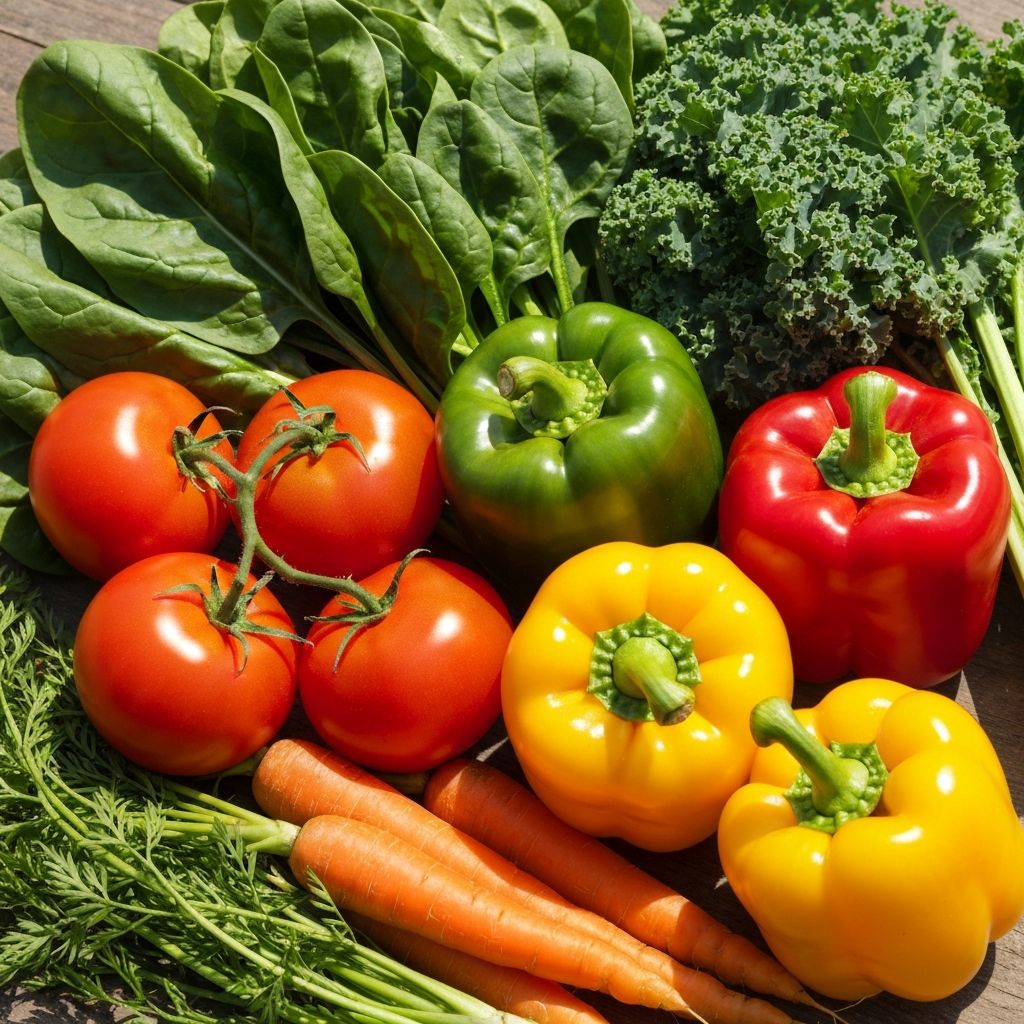
Vegetables & Greens
Vegetables are nutritional powerhouses providing vitamins, minerals, fiber, and phytonutrients with minimal calories. Consuming a variety of vegetables ensures exposure to diverse beneficial compounds supporting overall health and vitality.

Fruits & Natural Sugars
Fruits offer natural sugars alongside fiber, vitamins, and antioxidants. The fiber content helps moderate sugar absorption, providing sustained energy and nutritional density compared to processed sugar sources.
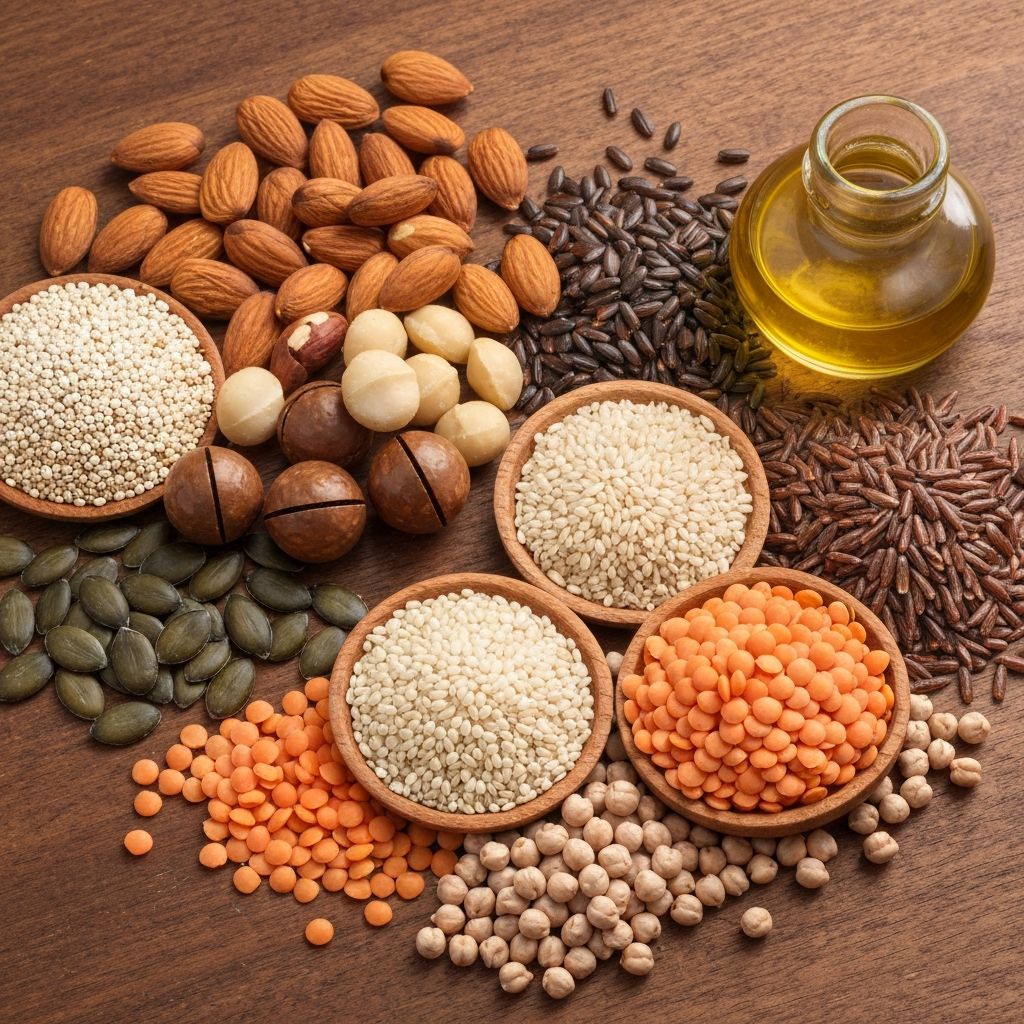
Whole Grains & Legumes
Whole grains and legumes provide complex carbohydrates, protein, fiber, and essential micronutrients. These foods support sustained energy levels and contribute to the nutritional completeness of any meal.
Frequently Asked Questions
A balanced diet includes foods from multiple groups: vegetables, fruits, whole grains, proteins, and healthy fats. The specific balance varies among individuals based on activity level, age, and health status. A general approach involves making vegetables and fruits half your plate, whole grains one quarter, protein one quarter, and including healthy fats throughout meals.
Individual water needs vary based on climate, activity level, and overall health. A common guideline is the "8x8 rule" of eight 8-ounce glasses daily, though many people need more. Thirst is a good indicator, and consuming water consistently throughout the day supports optimal hydration. Foods with high water content also contribute to daily fluid intake.
Simple carbohydrates consist of one or two sugar molecules and are absorbed quickly. Examples include fruits, honey, and milk. Complex carbohydrates have longer chains of sugar molecules and include fiber, resulting in slower absorption and more sustained energy. Whole grains, legumes, and starchy vegetables are complex carbohydrate sources.
Gradual increases in fiber intake allow your digestive system to adapt comfortably. Start by incorporating more whole grains, vegetables, legumes, and fruits into meals. Drink adequate water to support fiber digestion. Rapid increases in fiber can cause temporary digestive discomfort, so a gradual approach is recommended.
Seasonal eating connects you with local, fresh produce at peak nutritional value. Seasonal foods are often more affordable and environmentally sustainable. Eating seasonally encourages dietary variety throughout the year and supports appreciation for different vegetables and fruits across seasons.
Healthy fats support hormone production, facilitate vitamin absorption, provide sustained energy, and support brain health. Sources include avocados, nuts, seeds, olive oil, and fatty fish. Moderate fat consumption as part of a balanced diet supports overall wellness without concerns about weight gain.
Balanced meals with protein, complex carbohydrates, and healthy fats provide sustained energy. Skipping meals or consuming only simple sugars can cause energy fluctuations. Regular, balanced eating supports consistent energy levels and sustained focus throughout the day.
Multiple nutrients support skin health from within, including vitamins C and E, omega-3 fatty acids, zinc, and adequate hydration. Fruits, vegetables, fatty fish, nuts, seeds, and consistent water intake all contribute to healthy skin appearance and function.
Limitations and Context
This website provides educational information about nutrition and general wellness. The content is intended for informational purposes only and should not be considered medical advice or a substitute for professional health consultations.
Nutritional needs vary significantly among individuals based on age, health status, activity level, medications, and other factors. Individual responses to dietary approaches differ. Nothing on this site should be interpreted as making specific health claims, diagnosing conditions, or promising particular outcomes.
Professional nutritionists, registered dietitians, and healthcare providers can offer personalized guidance tailored to individual circumstances. This resource presents general educational information to support understanding of nutritional science and wellness principles.